
Glaucoma
Understanding Your Glaucoma Treatment Options
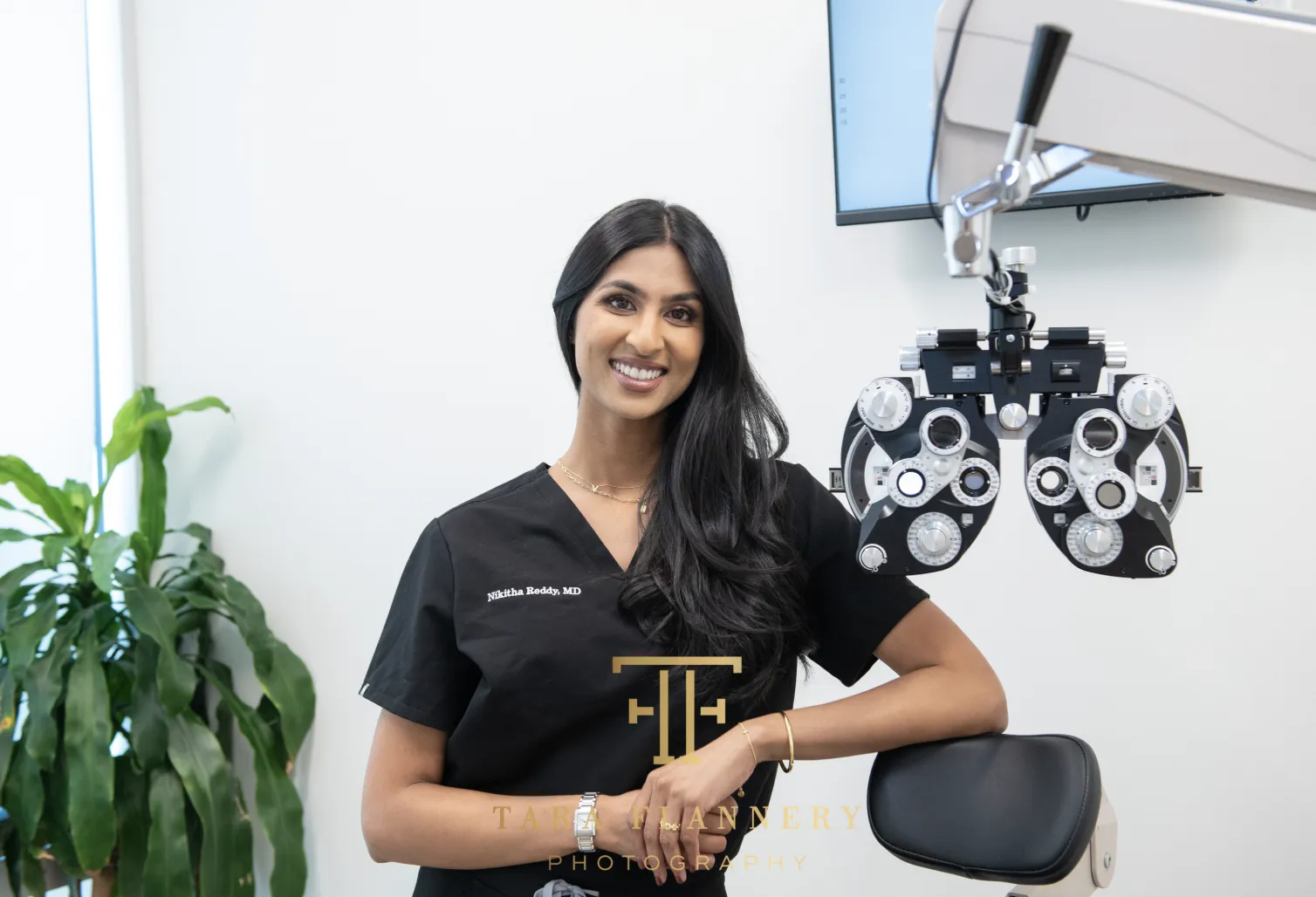
Dr. Nikitha Reddy, MD
March 18, 2026

Medically reviewed by Dr. Nikitha Reddy, MD
Board-Certified Ophthalmologist • Soni Vision Institute
Glaucoma is often called the "silent thief of sight" because it usually has no symptoms until significant damage has occurred. By the time most people notice changes in their vision, irreversible harm to the optic nerve has already taken place. The good news is that with early detection and the right treatment, most patients can preserve their vision for life. Today, there are more treatment options than ever before, ranging from eye drops to advanced micro-invasive surgical techniques.
What Is Glaucoma?
Glaucoma is a group of eye conditions in which elevated pressure inside the eye damages the optic nerve over time. The optic nerve carries visual information from your eye to your brain, and once its fibers are damaged, that damage cannot be undone. This is why treatment focuses entirely on prevention, slowing or stopping the progression of the disease before more vision is lost.
The most common form is open-angle glaucoma, which develops gradually and often without noticeable symptoms in its early stages. Angle-closure glaucoma is less common but can come on suddenly with symptoms such as severe eye pain, headache, nausea, and blurred vision, requiring immediate medical attention. There are also secondary forms of glaucoma caused by other conditions, medications, or eye injuries.
Because the damage is irreversible, the goal of every glaucoma treatment is the same: lower the eye pressure enough to prevent further optic nerve damage and preserve the vision you have.
Eye Drop Medications
For most patients, medicated eye drops are the first line of treatment. These drops work by either reducing the amount of fluid your eye produces or by improving the drainage of fluid out of the eye, both of which lower intraocular pressure. There are several classes of glaucoma eye drops available, and your ophthalmologist will select the one best suited to your specific situation.
While eye drops are effective for many people, they do come with challenges. The most significant is daily compliance. Glaucoma drops must be used consistently, often once or twice a day, every single day, for them to work. Missing doses can allow pressure to rise and damage to progress. Some patients also experience side effects such as redness, irritation, dryness, or changes in eyelash growth. Cost can also be a concern, particularly with newer formulations.
For patients who struggle with the demands of daily eye drops, or who experience bothersome side effects, there are several alternatives worth discussing with your doctor.
Laser Treatment
Selective Laser Trabeculoplasty (SLT) is one of the most significant advances in glaucoma care in recent years. This non-invasive procedure uses a gentle laser to improve the eye's natural drainage system, lowering pressure without the need for incisions or stitches. SLT is performed right in the office, takes just a few minutes, and most patients experience little to no discomfort.
One of the greatest advantages of SLT is that it can reduce or even eliminate the need for daily eye drops. For some patients, SLT is now used as a first-line treatment rather than starting with drops at all. The procedure is also repeatable, meaning it can be performed again if the effect diminishes over time.
SLT is particularly well suited for patients who have difficulty using eye drops consistently, who experience side effects from their medications, or who simply prefer a treatment that does not require daily action. Learn more about glaucoma laser treatment at Soni Vision Institute.
MIGS (Micro-Invasive Glaucoma Surgery)
MIGS represents a newer category of glaucoma procedures designed to lower eye pressure with minimal tissue disruption. These procedures use tiny devices or microscopic incisions to create new drainage pathways or enhance existing ones, all through approaches that are far less invasive than traditional glaucoma surgery.
One of the most compelling aspects of MIGS is that many of these procedures can be combined with cataract surgery. If you need cataract surgery and also have glaucoma, your surgeon may be able to address both conditions in a single procedure, potentially reducing your dependence on glaucoma medications while restoring your vision at the same time.
MIGS procedures generally offer a faster recovery, fewer complications, and a more comfortable experience compared to traditional glaucoma surgery. While the pressure reduction may be more modest than what traditional surgery can achieve, MIGS is often ideal for patients with mild to moderate glaucoma. Explore your options for micro-invasive glaucoma surgery.
Traditional Glaucoma Surgery
For patients with more advanced glaucoma, or when eye drops, laser treatment, and MIGS have not achieved adequate pressure control, traditional glaucoma surgery may be recommended. The two most common procedures are trabeculectomy and tube shunt surgery.
A trabeculectomy creates a small opening in the wall of the eye to allow fluid to drain into a small reservoir under the surface of the eye, significantly lowering pressure. Tube shunt procedures involve placing a tiny tube that redirects fluid to a drainage plate positioned on the outside of the eye. Both approaches can achieve substantial pressure reduction and are often the best option for patients whose glaucoma has not responded adequately to less invasive treatments.
These procedures do involve a more involved recovery period compared to MIGS or laser treatment, and they require closer follow-up in the weeks and months after surgery. However, for patients who need aggressive pressure lowering, traditional surgery can be a powerful tool for preserving vision. Learn more about glaucoma surgery at Soni Vision Institute.
Combining Glaucoma and Cataract Treatment
It is very common for patients to have both glaucoma and cataracts, since both conditions become more prevalent with age. When cataract surgery is needed, it presents an ideal opportunity to address glaucoma at the same time.
MIGS procedures are frequently performed during cataract surgery, allowing your surgeon to lower your eye pressure and improve your vision in a single trip to the operating room. This combined approach can reduce the number of glaucoma medications you need and, in some cases, eliminate the need for drops altogether. It also means one recovery period instead of two.
If you have both conditions, ask your surgeon about the possibility of a combined procedure. Read more about the relationship between glaucoma and cataracts.
Which Treatment Is Right for You?
There is no single best treatment for glaucoma. The right approach depends on several factors, including the type and severity of your glaucoma, your current eye pressure, the extent of optic nerve damage, how many medications you are currently using, and your lifestyle and personal preferences.
Some patients do well with eye drops alone for many years. Others benefit from an early transition to laser treatment or MIGS, which can simplify their daily routine and improve long-term compliance. For advanced cases, traditional surgery may offer the best chance of protecting remaining vision.
At Soni Vision Institute, we take a personalized approach to glaucoma care. Dr. Soni and Dr. Reddy will work with you to understand your specific situation, explain all of your options, and develop a treatment plan tailored to your needs and goals.
Important: Glaucoma damage cannot be reversed, only prevented. Regular eye exams are the best way to catch glaucoma early, when treatment is most effective. If you have a family history of glaucoma, you should be screened annually starting at age 40.
If you have been diagnosed with glaucoma, are concerned about your eye pressure, or have a family history of the disease, schedule an evaluation with Dr. Soni or Dr. Reddy. Early detection and the right treatment plan can protect your vision for life.
Related resources: